



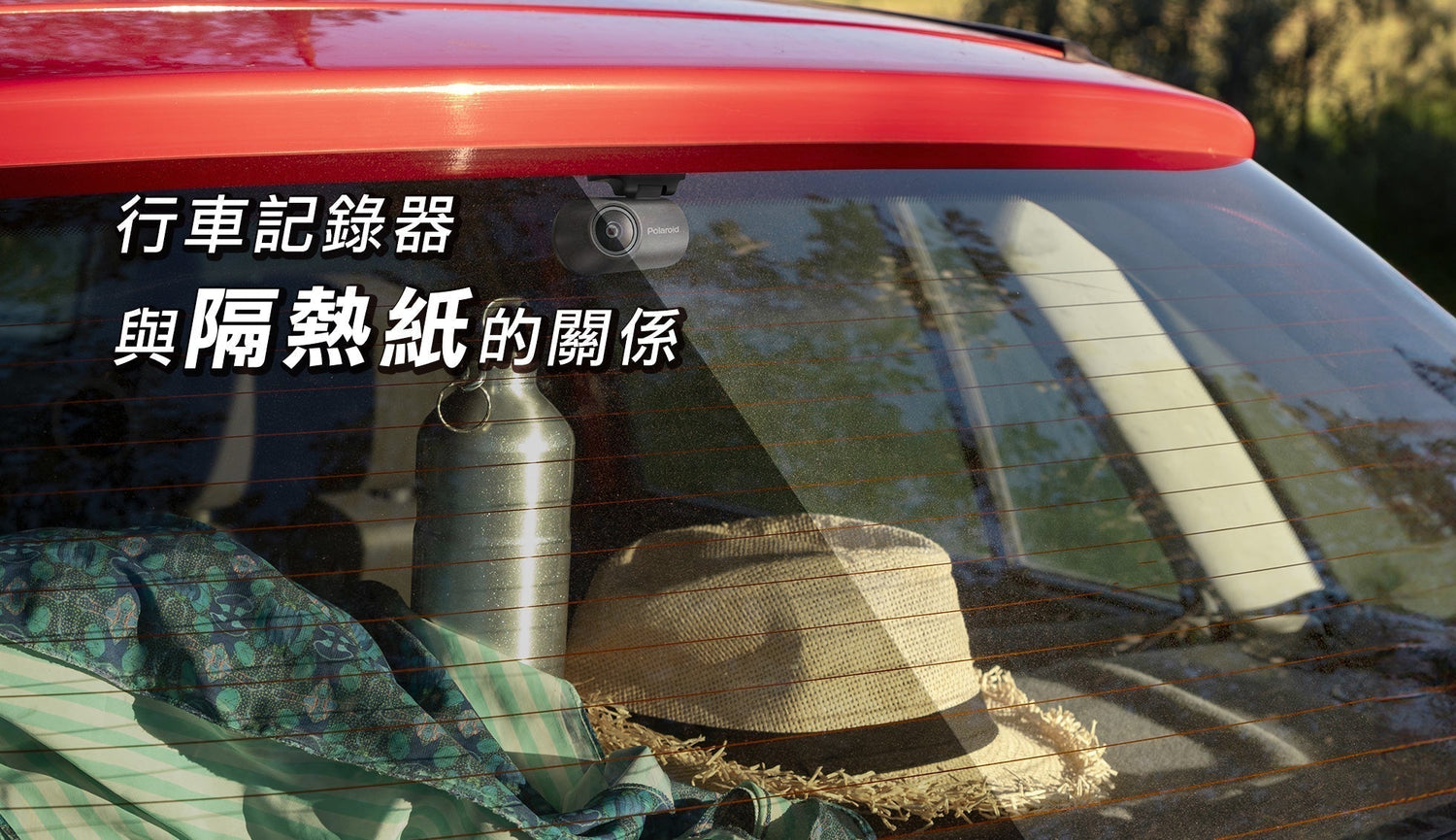
Taiwan's hot and humid weather makes driving under the blazing sun often unbearably hot. This is especially true when a car has been parked outdoors for a long time; opening the door reveals an interior temperature that exacerbates the discomfort. To reduce this discomfort, many car owners choose to apply window tinting film to their windows. However, did you know that window tinting film can potentially affect your dashcam?
**GPS Signal Interference**
Some window tinting films contain metals, which can interfere with the GPS signal reception and transmission of a dashcam. This can lead to unstable GPS signals or complete signal loss, affecting your vehicle's location tracking. This interference can prevent your dashcam from accurately recording your route and location, a significant issue for drivers who rely on GPS.
**Image Clarity Impact**
The light transmittance of window tinting film directly affects the image quality of a dashcam. Generally, tinting film with lower light transmittance will result in darker images and reduced image clarity. This is particularly noticeable in low-light conditions, such as when driving at night. When window tinting film lacks sufficient light transmittance, dashcam footage may become blurry, affecting video clarity and legibility. This can be problematic for proving accident liability or protecting your own safety.
While window tinting film excels at reducing interior temperature and providing comfort, its impact on dashcam footage should not be overlooked. When choosing window tinting film, it is recommended to consult a professional shop to understand the potential effects of different films on dashcams and select the product best suited to your needs. Professional advice can help you find the optimal balance between heat insulation and image quality.